
Brand perception research: change the impression that matters
Find out how buyers see your brand, what created that impression and which change to make. Compare associations with alternatives, then give marketing and product teams a clear brief.
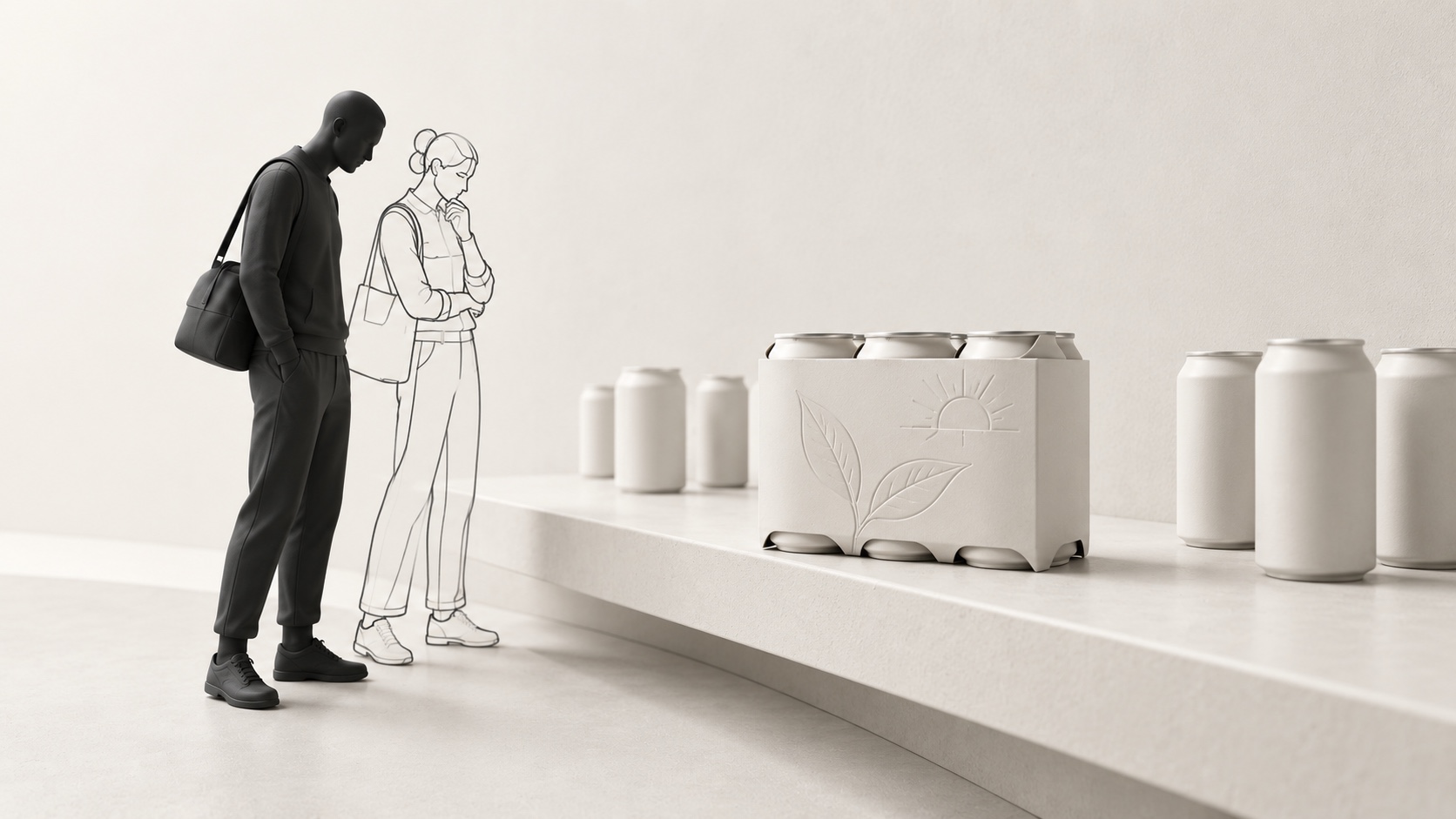
Brand perception research shows how buyers see your brand, what created that impression and which change is worth investigating. For Lumen, the fictional sparkling-tea brand in this example, the challenge is to feel like a premium afternoon treat while keeping a convenient grocery purchase. Should the team change the packaging, explain the drink differently or investigate the product itself?
The illustrative ratings and responses below compare Lumen with two other tea brands, Harbor and Plainfield. They show how to turn an impression into a specific brief for the team that can change it.
Unprompted associations come before attribute scores
If you start by asking whether your brand is “premium,” you have already supplied the idea you want to hear. Begin with the buyer's own description. You can introduce a list of attributes after you understand the associations that come up without prompting.
Use questions such as:
- “What comes to mind when you think of Lumen?”
- “What makes you describe it that way?”
- “Think about the last time you saw or bought it. What do you remember?”
- “When would you choose it, and what would you choose instead?”
Then ask how well the brand fits a short set of attributes relevant to your decision. For Lumen, those are convenient, premium and affordable. Use the same questions and scale for the alternatives so you can compare like with like. Offer “not enough knowledge to answer” instead of asking someone to rate a brand they barely know.
If your study also measures awareness, ask which tea brands come to mind before showing a list of names. Showing the names first would change what you are measuring. Keep awareness, perception and consideration as separate questions: recognizing Lumen does not tell you what someone thinks of it or whether they would buy it.
Ask prospects what supports or prevents consideration. Ask current customers what would make them choose the brand again or stop. These questions connect an impression with a buying decision.
The rating pattern gives you a question to pursue
The table brings the ratings and the number of people behind them together. In this example, 100 eligible tea buyers are asked about each brand. Only people who feel able to judge a brand contribute to its average ratings.
The five-point scale runs from 1, “does not fit at all,” through 2, “fits slightly,” 3, “fits moderately,” and 4, “fits very well,” to 5, “fits extremely well.”
Brand and sample | Average fit rating (1–5) |
|---|---|
Lumen · 80 of 100 rated it; 20% unable to rate | Convenient 4.2 · Premium 3.0 · Affordable 3.7 |
Harbor · 60 of 100 rated it; 40% unable to rate | Convenient 3.1 · Premium 4.4 · Affordable 2.4 |
Plainfield · 90 of 100 rated it; 10% unable to rate | Convenient 3.6 · Premium 2.8 · Affordable 4.3 |
Lumen's clearest strength is convenience. Its premium association is less developed. Harbor gives you a useful question to pursue: what makes that brand feel premium to the people who know it? Plainfield gives you a different comparison around affordability.
Use those patterns to guide the next conversation. The people rating each brand may differ, so this isn't an overall ranking of the three brands. Nor does a higher premium rating establish higher sales. Your task is to find a valuable association that Lumen's product and presentation can support.
For Lumen, the useful follow-up is: “What would make this drink feel like an afternoon treat?” Listen for a concrete answer, such as a distinctive flavor, a particular serving occasion or packaging that makes a short break feel deliberate. “Make it more premium” is too broad to hand to a designer.
The source of the impression decides who can change it
Two buyers can give Lumen the same rating for different reasons. One may know the packaging from the supermarket. Another may have tried the drink and disliked the sweetness. You need the source of the impression before you choose the remedy.
Suppose a buyer says, “It's easy to find, but the last can tasted too sweet.” That gives you two separate jobs: protect the distribution strength and investigate the taste experience. A more luxurious label would leave the second problem unresolved.
Follow up according to what created the impression:
- They used the product: ask which version they tried, when they tried it and what happened. Give product the specific experience to investigate.
- They saw packaging or advertising: ask which word, image or design detail created the expectation. Give creative a cue it can revise and test.
- They heard about it from someone else: ask what they heard and whether they have tried it themselves. Separate an expectation from a product experience.
- They cannot explain the rating: retain that uncertainty. A number without a clear reason is a weaker basis for a redesign.
Put the buyer's explanation beside the recommendation in your readout. “Low premium rating” tells the team where to look. “The pack looks like an everyday soft drink, so I wouldn't think of serving it as a treat” gives design something it can work on.
Premium needs a specific buyer meaning
Before you ask creative to make Lumen feel premium, decide what that should mean to the buyer. For an afternoon treat, it might mean a distinctive flavor and a small moment of indulgence. For a gift, it might mean presentation and confidence that the recipient will enjoy it. Those are different briefs.
Choose a candidate that the product can deliver. If the reason to choose Lumen is its flavor, show the verified recipe or taste experience. If the reason is a deliberate afternoon break, show the drink in that occasion. Keep the convenient grocery purchase clear in either version.
Harbor's premium association is context for that work, rather than a reason to copy its packaging. Find out which cues matter to your intended buyers and which of them fit Lumen. A higher price can make a product look expensive without giving anyone a better reason to choose it.
If you need to choose the promise itself before developing the presentation, use our positioning research guide.
A new impression should preserve the useful one
Compare the revised presentation with the current one using the same price, product facts and exposure conditions. Ask buyers what they think the product is, when they would use it and what experience they expect before showing the attribute ratings.
For Lumen, your readout should answer three questions:
- Does the new presentation create the intended afternoon-treat association? Show the words or visual details buyers cite.
- Can the drink deliver the expected experience? Flag any unsupported ingredient or flavor expectation for product review.
- Does the convenient purchase remain clear? Check that the design still makes the category and place of purchase easy to understand.
Choose a presentation that gives buyers a relevant reason to choose the drink and preserves its existing strength. Revise the cue if it suggests the wrong flavor or obscures what the product is. If recent use reveals a product problem, resolve that question before spending on a new premium presentation.
Recognition is a separate job in an identity change
Now suppose Lumen is changing its wordmark and the design of its can. The recipe, size, price and retail availability stay fixed for this comparison. The team must decide whether the new identity can stand alone or needs a clearer connection to the familiar pack during the transition. A design can look more premium and still leave an existing buyer unsure whether it is the drink they usually buy.
Treat recognition and design appeal as separate outcomes. Henderson and Cote's logo research distinguishes recognition, positive feeling and image objectives. For Lumen, liking the new design is useful only alongside what buyers believe it identifies and promises.
Compare the current and proposed packs in the same shelf or product-list context, with the same price, product facts, viewing size and exposure time. Randomly assign relevant buyers to separate first-exposure groups so seeing the old pack doesn't teach everyone how to identify the new one. If later discussion shows both versions, rotate their order and keep those answers separate from the first exposure. Our packaging design testing guide connects that comparison to recognition, comprehension and a specific design revision.
Ask what drink the person thinks they saw, which brand it belongs to and what made them identify it. Then ask what seems to have changed. Leave premium, familiar and trustworthy ratings until afterward. Pew Research Center's question-order guidance explains why earlier prompted concepts can influence later open answers. Showing Lumen's name in a screening question immediately before the task would also undermine an unaided identification claim.
Keep prior familiarity visible. Use appropriate earlier screening or purchase records to distinguish existing buyers, people who already know the brand and people encountering it for the first time. Do not interpret an unfamiliar prospect's response as evidence that Lumen has lost recognition among its customers. Nor should a simulated audience's assigned familiarity be reported as measured human brand memory.
Next compare the proposed pack alone with the same pack accompanied by a transition announcement: “A new look for the same Lumen sparkling tea.” That wording fits the fixed-product assumption here; a real announcement must describe the changes accurately. Ask what the combination says has changed and what the buyer expects to stay the same. An answer after reading the announcement measures that exposure's communication, rather than unaided recognition of the pack.
If buyers take the redesign to mean a new flavor, investigate the cue creating that expectation. The next version might retain a familiar color or pack element and make the continuity message more explicit. If an existing buyer cannot find Lumen in the shelf task, improving the recognition cue has a different purpose from increasing a premium rating.
Approve the transition against both jobs: communicate the intended new impression and help relevant buyers identify the product accurately. A pack test cannot establish that the drink, availability or customer experience will deliver the trust buyers expect. When you decide what to keep in the new pack, don't mix up what real buyers recognized with what the simulated audience suggested.
Each team needs a change it can act on
A useful brand-perception report ends with a change, its reason and its owner. For Lumen, that could mean developing an afternoon-break presentation for creative, checking flavor expectations with product and protecting the convenient purchase across both.
The recommendation should be traceable to the buyer's explanation. That lets your team assess the next version against a specific problem, rather than ask whether the brand now feels “better.”
With Vensia, you can survey and interview a simulated audience, compare reactions to alternative presentations and explore the responses behind each finding. Bring your current positioning, competitor context, available customer research and the change you are considering. Use human survey evidence when you need to establish current human awareness; keep simulated responses identified as such in the readout.
Bring the current presentation, proposed change and the impression you need to understand. Discuss your brand-perception question with Vensia to explore which cues to compare and what evidence the next decision needs.
