
Brand research: choose the study that changes the next decision
Choose the brand study that resolves your next decision. Compare awareness, perception, positioning, message testing and tracking through one worked tea-brand brief.
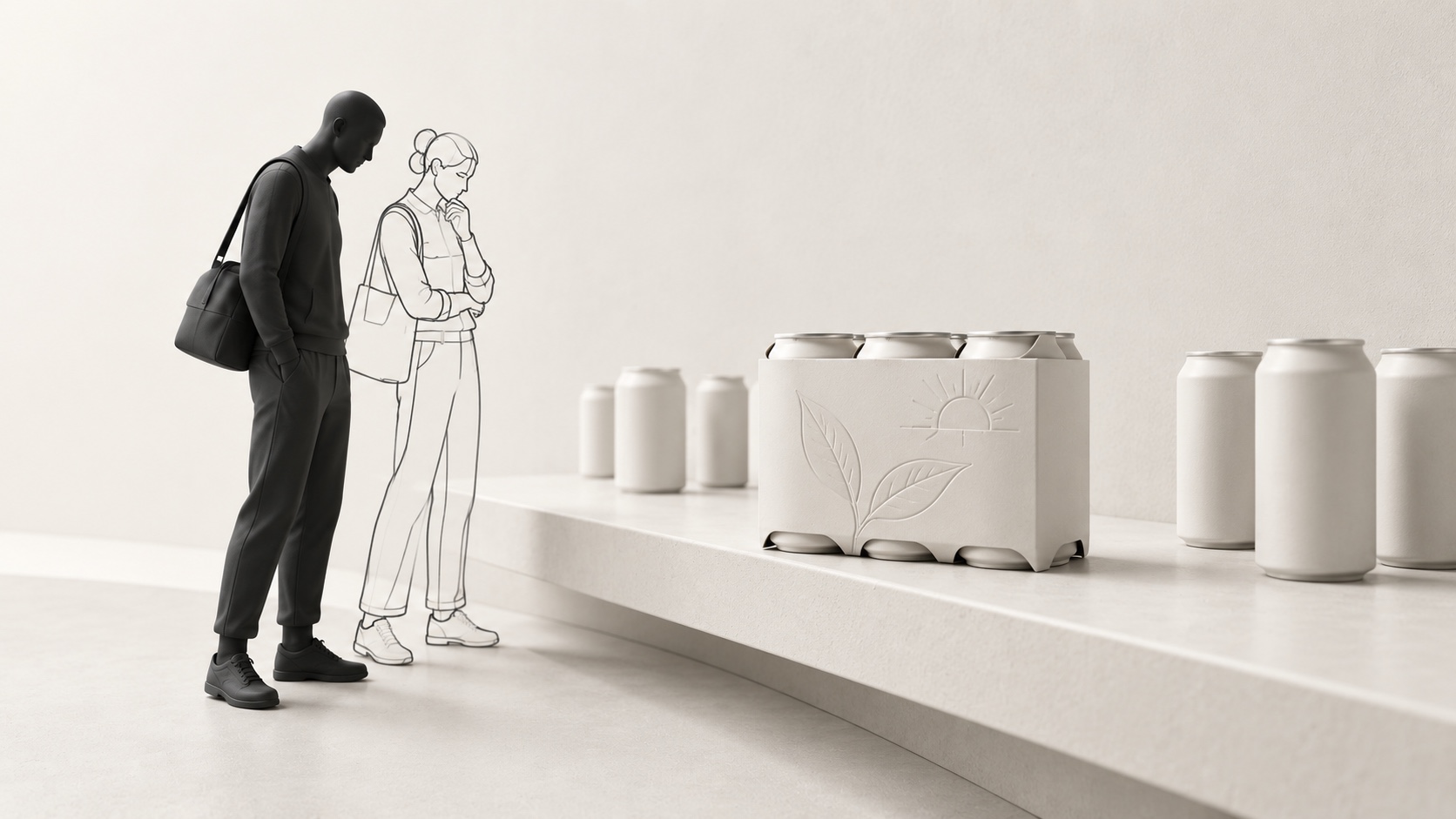
Brand research investigates how buyers know, interpret and choose a brand so your team can decide what to change. Lumen, an illustrative ready-to-drink tea brand, wants shoppers to choose its can for an afternoon break. Its next pack and campaign need to address the obstacle holding that choice back.
Before commissioning research, Lumen needs to identify that obstacle: do shoppers know the brand, understand what it offers or see a reason to choose it at that moment? A report is useful when it resolves the choice the team needs to make.
Those questions call for different studies. If recognition is the problem, testing three headlines will not tell you whether enough buyers have encountered the brand. If shoppers already know the name but associate it with dinner, another awareness survey may repeat what you know. Your next study should address the question holding the decision back.
Different brand questions need different studies
Each of these research jobs has a dedicated guide. Choose the row that matches your next decision.
Your question | Our guide and what you need from the study |
|---|---|
Do buyers think of us or recognize our name? | Our brand awareness guide: recall and recognition by audience and buying situation, with a recommendation for the next campaign. |
What do buyers associate with us, and why? | Our brand perception guide: the associations behind the impression and the product or communication cues to change. |
Which promise gives buyers a reason to choose us? | Our brand positioning guide: candidate promises, who each serves and the proof needed to make it credible. |
Does our wording communicate that promise? | Our message testing guide: what each version communicates, where buyers misunderstand it and which wording to revise. |
Is the brand changing over time? | Our brand tracking guide: comparable measures showing what moved, for which audience and under what market conditions. |
These studies connect, but you do not need to buy all of them at once. Awareness can reveal an audience that does not know the name. Perception can explain a familiar brand's unwanted association. Positioning can select a promise, and message testing can improve the words that express it. Tracking follows the measures you want to maintain or change.
To investigate what the established identity adds to the same offer in its current category, use our brand equity research guide. For a move into a new product category, our brand extension research guide compares parent-led, endorsed and independent routes for that offer.
Lumen's next investment sets the brief
Write down the choice before the questionnaire. For Lumen, “understand our brand” is too broad. “Choose the pack and campaign presentation that makes Lumen relevant to an afternoon break” gives the research a job.
Then collect what you already know: the current pack, product facts, competitor alternatives, previous research and the audience you can reach. Separate established findings from the team's assumptions. If no one has measured recognition, treat it as an open question rather than declaring that shoppers know the brand.
Use that evidence to choose the next step:
- Shoppers do not recognize Lumen. Investigate where they encounter tea brands and whether Lumen's name and pack register. That informs reach, availability and recognizable brand cues.
- Shoppers know Lumen but do not associate it with an afternoon break. Compare the current presentation with an afternoon treatment. Find which cue changes the occasion people infer.
- The afternoon idea is understood, but it creates the wrong taste expectation. Identify the wording or pack cue behind that expectation and compare it with the product's actual characteristics.
The finding should determine the work. A communication problem belongs with the team changing the pack or campaign. A product experience problem may need a product change. Treating both as a request for more advertising can send the budget to the wrong place.
A usable brief specifies the offer and the decision
Once you know the unresolved question, turn it into a complete brief. Include the audience, alternatives, information held constant and decision deadline. Ask for the recommendation you need, rather than a list of attributes to measure.
For an occasion comparison, Lumen's brief could read:
Compare our current tea presentation with the proposed afternoon presentation among the category buyers we want to reach. Keep the product, price and pack size the same. Find what occasion and flavor each presentation suggests, what makes the offer appealing or unconvincing, and which cue creates the difference. Recommend the presentation to progress or the specific element to revise.
Attach the exact versions. If the study refers to “the afternoon pack,” your creative team should be able to see which pack respondents received. Ask for a sample readout that connects the response, version and recommended edit before commissioning the work.
Findings should identify the next version
A useful report does more than say one route scored higher. It shows the answer that changes your choice.
If the proposed pack communicates an afternoon drink and the expected flavor fits the product, you have a clear candidate to develop. If the occasion works but the pack suggests a flavor the drink does not deliver, revise the cue. If the target buyers see little use for that occasion, revisit the audience or promise before polishing the execution.
Keep the evidence behind the recommendation visible: the question, creative version, audience, response pattern and explanation. Familiarity, preference and observed buying are different findings. Use the measure that answers the decision you commissioned.
Each team should leave with something it can act on. Creative needs the element to change and the meaning to preserve. Product needs any gap between expected and delivered experience. The campaign team needs the offer, audience and outcome it will evaluate.
The brand's assigned job defines what to track
Once you act on the diagnosis, follow the measure the change was meant to improve. If the campaign's job is to connect Lumen with an afternoon break, track that association alongside recognition and recent use.
Keep the questions, audience definitions and field conditions comparable between waves. Read movement beside campaign delivery, availability and market changes. A favorable trend tells you something changed; attributing it to one campaign requires evidence designed for that question.
The afternoon presentation needs a specific comparison
Vensia builds synthetic populations grounded in consumer data so you can compare brand promises, creative and messages across the audiences you need to understand. Explore the responses behind the findings, see how buyer groups differ and ask follow-up questions when an answer exposes a new uncertainty.
For Lumen, the brief includes the current presentation, proposed afternoon alternatives, audience and decision deadline. Keep existing awareness research and product evidence with it. The useful output is a recommendation the creative team can implement, with the responses and assumptions that explain it.
The report should distinguish modeled reactions from measured human awareness and actual product experience.
Book a demo to scope the pack or campaign comparison. The recommendation should tell your team whether to advance the afternoon idea, change its cues or revisit the promise.
